sincere ceremonies
  • home
  • about
    • about sincere ceremonies
    • meet karen
  • services
    • funerals >
      • step-by-step funeral planning
    • weddings
  • resources
    • funeral resources >
      • funeral resources | practical guides >
        • making sense of what's possible
        • participation & involvement
        • finding words that matter
        • ritual and meaning making
        • after the funeral
      • funeral FAQs
    • wedding resources >
      • wedding resources | practical guides
  • blog
    • funeral blog
    • wedding blog
  • contact
  • home
  • about
    • about sincere ceremonies
    • meet karen
  • services
    • funerals >
      • step-by-step funeral planning
    • weddings
  • resources
    • funeral resources >
      • funeral resources | practical guides >
        • making sense of what's possible
        • participation & involvement
        • finding words that matter
        • ritual and meaning making
        • after the funeral
      • funeral FAQs
    • wedding resources >
      • wedding resources | practical guides
  • blog
    • funeral blog
    • wedding blog
  • contact
Search by typing & pressing enter

YOUR CART

Picture

​wedding blog

This blog explores wedding ceremony as an intentional, meaningful act.It offers practical guidance on vows, ritual, and participation, for couples who want a ceremony that feels honest, grounded, and true to who they are.

topics

All Ritual & Meaning

Picture

13/1/2026 0 Comments

Music That Marks a Beginning: Choosing Music for a Wedding Ceremony

Music That Marks a Beginning

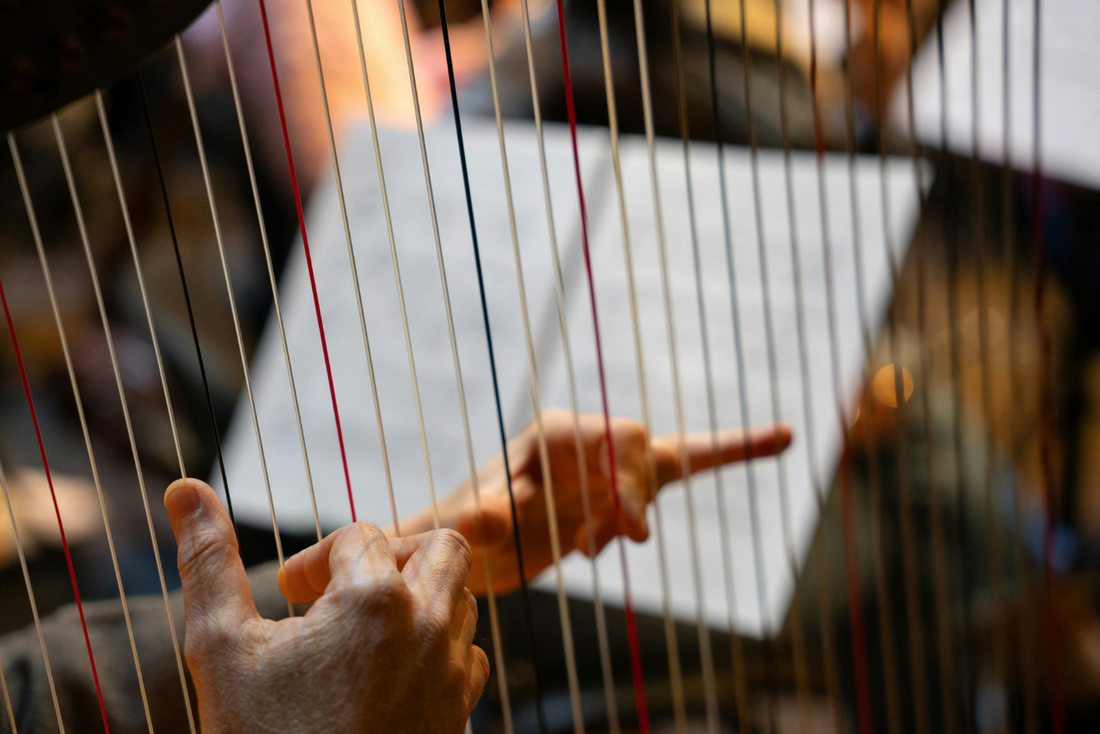
Music is one of the most powerful elements of ceremony. It works on the body before it works on language. It can steady nerves, heighten emotion, and mark a moment as significant - even before anyone speaks.

In weddings, music is often treated as decoration or background. But anthropologically, music functions as ritual technology: it signals transition, gathers attention, and creates emotional coherence among those present.
​
A wedding ceremony marks a change of social status. Music helps people feel that change.
Picture

Weddings as Rites of Passage

Anthropologist Arnold van Gennep described rites of passage as having three stages: separation → transition (liminality) →  incorporation.

​Weddings follow this pattern clearly:

  • separation from previous social roles
  • transition into a new shared identity
  • incorporation into community as a married couple

Music helps embody each of these stages, often more effectively than words alone. A piece of music can create a threshold, hold a liminal moment, or signal that something new has begun.

​This is why music choice matters. It is not simply aesthetic. It is functional.

What Music Does in a Ceremony

Across cultures, music in ritual is used to:

  • gather attention
  • regulate emotion
  • create collective focus
  • mark time and transition

Émile Durkheim wrote that ritual produces collective effervescence; a shared emotional state that binds a group together. Music is one of the most reliable ways to generate this shared experience.

​In a wedding, music can:

  • calm nervous energy
  • invite joy or reflection
  • create intimacy
  • signal transition from one stage to another

​This is also why intentional silence can be powerful. Music does not need to fill every space. Its purpose is to serve the moment.

Starting With Meaning, Not Genre

Many couples feel pressure to choose music that fits an idea of what a wedding “should” sound like; romantic, classical, instrumental, or familiar.

But ritual theory suggests a different approach: start with meaning, not convention.

Consider:

  • what matters to you as individuals
  • what defines your relationship
  • what you want this ceremony to express

Music that reflects your values and story will always be more effective than music chosen to meet external expectation.

This does not mean music must be obscure or unconventional. It means the choice is intentional.

Tone Matters More Than Tradition

In ritual contexts, tone carries more weight than style or genre.

Music can ground the nervous system, invite joy, hold intimacy, or create space for reflection.

Ask not “Is this appropriate for a wedding?”
Ask instead “What does this invite people to feel?”

​Music shapes the emotional arc of the ceremony. It prepares people for what is happening, even if they cannot articulate how.

Placement and Transition

Music is particularly effective in marking moments of transition, such as:

  • arrival or entrance
  • pauses for reflection
  • moments of commitment
  • closing and departure

Victor Turner described the middle phase of ritual, liminality. as a time when participants are “betwixt and between” social roles. Music can hold this space gently, without forcing resolution too quickly.

Used well, music allows people to stay present in the moment rather than rush through it.

Personal, Not Performative

Modern weddings often feel pressured to perform - for guests, for photos, for social media. Music can easily become part of that performance.
​
Ritual theory offers a counterpoint: ritual is not about display, but meaning-making.

Music does NOT NEED TO
impress.
please everyone.
be explained.

If it reflects who you are and what you are committing to, it is doing its work.

A Note on Copyright and Lyrics

Lyrics and recordings are protected by copyright. From a ceremonial perspective, it is rarely necessary to reproduce full lyrics. What matters is why a piece of music is chosen and what it evokes.

Music communicates meaning whether or not the words are spoken aloud.

In Closing

A wedding ceremony is not a performance.
It is a public marking of commitment and transition.

Music helps make that marking felt - in the body, in memory, and in community.

Chosen with care, music does not decorate a ceremony.
It anchors it.

A Note to You, the Reader

The choices we make for our ceremonies are deeply personal. I’d love to hear what resonates with you. Did a particular piece of music define a moment in your life? Are you considering a song that feels unconventional but 'right'? Share your thoughts, questions, or a song that holds meaning for you in the comments below. Your insight enriches this conversation.
I’m here to help and will respond to every comment.
References
Durkheim, É. (1912). The Elementary Forms of Religious Life.
van Gennep, A. (1909). The Rites of Passage.
Turner, V. (1969). The Ritual Process: Structure and Anti-Structure.
Becker, H. S. (1982). Art Worlds.
Small, C. (1998). Musicking: The Meanings of Performing and Listening.

0 Comments


Leave a Reply.

    Categories

    All Ritual & Meaning

    Archives

    January 2026

Site powered by Weebly. Managed by CheaperDomains.com.au