sincere ceremonies
  • Home
  • About
    • Meet Karen
  • Services
    • Funerals
    • Weddings
    • Direct Cremation Ceremonies
  • Blog
    • Funeral Blog
    • Wedding Blog
  • Resources
    • Funeral Resources >
      • FAQs
      • Funeral Resources
  • Contact
  • Home
  • About
    • Meet Karen
  • Services
    • Funerals
    • Weddings
    • Direct Cremation Ceremonies
  • Blog
    • Funeral Blog
    • Wedding Blog
  • Resources
    • Funeral Resources >
      • FAQs
      • Funeral Resources
  • Contact
Search by typing & pressing enter

YOUR CART

Wedding blog
This wedding blog explores ceremony as an intentional, meaningful act.
It offers practical guidance on vows, ritual, and participation, for couples who want a ceremony that feels honest, grounded, and true to who they are.
Picture
©️Karen Brady
contact karen

monthly posts

January 2026

2/1/2026 0 Comments

Ritual in Modern Weddings: Why It Still Matters

Why this matters
A wedding ceremony is a threshold moment.
People gather not simply to watch a couple marry, but to witness a transition. Two people move from one state of life into another, held by their community.
Ritual gives form to that change. Without it, ceremonies can feel incomplete, even when they are heartfelt and carefully planned.
Ritual helps everyone present understand that something meaningful has occurred.

What ritual actually does

Ritual is often misunderstood as tradition or symbolism alone. In practice, it performs essential work within ceremony.
  • It marks transition.
  • It slows time.
  • It creates shared meaning.
Ritual tells those present where they are in the ceremony, what is changing, and why this moment matters enough to be named and held.
This function has been consistent across cultures and centuries, regardless of the form ritual takes.

Ritual does not need to be traditional

Many couples worry that ritual means borrowing symbols that do not reflect their values or lives.
Meaningful ritual does not require religious language, inherited customs, or elaborate gestures. It requires intention, clarity, and care.
A shared action, a spoken explanation, or a deliberate pause can be deeply effective when the meaning is named and the moment is given space.
Ritual works best when it feels congruent with the people at its centre.

Lived ceremony examples

Some of the most powerful wedding rituals are quiet.
  • A pause before vows that allows everyone to arrive.
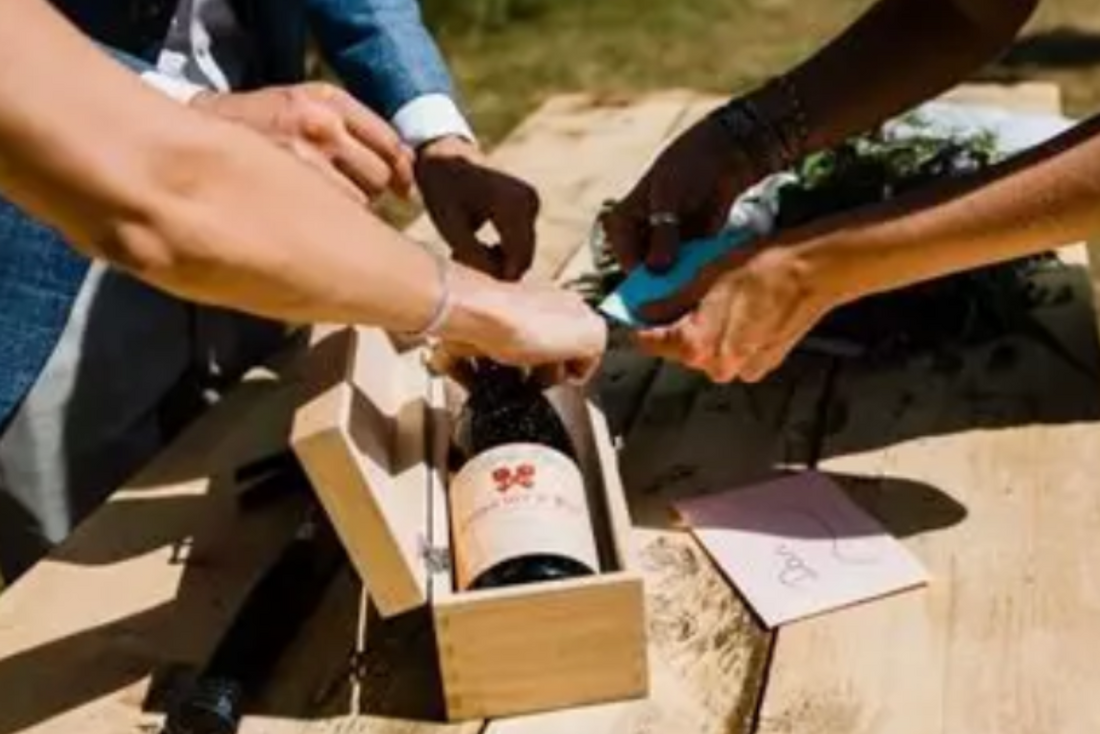
  • A simple action that marks commitment without performance.
  • An invitation to guests to witness actively rather than observe passively.
These moments succeed because they are placed carefully within the ceremony and explained in plain language.
People engage when they understand what they are being asked to hold.

Ritual across life transitions

Ritual has long been used to mark moments of transition.
Anthropologists and historians describe ritual as a way communities acknowledge change, create continuity, and help people move from one state of life into another.
Across cultures, rites of passage follow a similar pattern. People are separated from what was, a threshold moment is marked, and they are reintegrated, changed, into a new role or identity.
Weddings sit clearly within this pattern. They are not simply celebrations, but ceremonies that help people cross a threshold together, witnessed by others.
When ritual is thoughtfully designed, it supports this movement. It gives couples and their communities a shared language for understanding what has shifted and what is being affirmed.
Linking these understandings across life’s major ceremonies allows us to design weddings that feel grounded rather than performative.

Reflective prompts for couples

When considering ritual in your wedding, it may help to ask:
  • What are we stepping away from as we enter this marriage?
  • What do we want our community to understand about this commitment?
  • What do we want to feel in our bodies at this moment?
Ritual should support these questions, not distract from them.

How this shapes ceremony design

Ritual is not an add-on. It is part of the ceremony’s structure.
Placement, pacing, and participation all matter. Poorly integrated ritual can feel awkward or symbolic without substance.
Well designed ritual feels natural and necessary.
This is where careful ceremony design makes a difference.

Invitation to reflect

Ritual looks different for every couple.
If you are comfortable sharing, you are invited to reflect in the comments. What rituals have you seen in weddings that felt meaningful, or ones that missed the mark? What do you think made the difference?

​Closing note

Modern weddings have not lost the need for ritual. They have lost confidence in how to create it.
With thoughtful guidance, ritual can be shaped in ways that feel honest, contemporary, and deeply personal.
This work sits at the heart of creating weddings that are not only beautiful, but meaningful.
0 Comments

    Archives

    January 2026

    Categories

    All

Site powered by Weebly. Managed by CheaperDomains.com.au