|
funeral blogThe following blog posts explore funeral ceremony as an intentional, meaningful act and offers practical guidance on ritual, words, and participation.
|

|
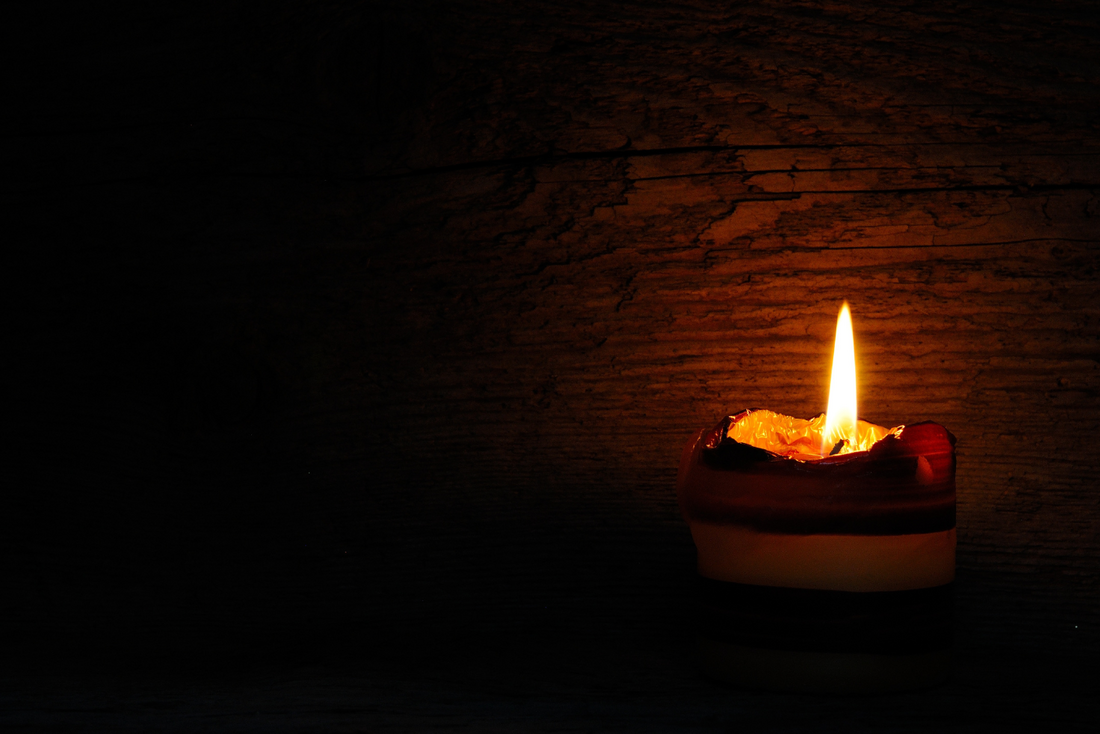
Step one: put the kettle onWhen someone dies, my number one rule is this: put the kettle on. Before you rush to make arrangements, before you ring a funeral director, PAUSE… Make a cuppa… Let yourself breathe… Your person has died, and you are not required to hand them over immediately. You can take a moment. You are allowed to. Sitting with the body gives you time to process, to be present and to start the grieving process in your own way, at your own pace. Time slows downThere is something profoundly grounding about sitting beside the body of someone you love. The pace changes. There’s no rush to speak. No need to “move on.” Instead, you are simply with them, bearing witness to the truth of their death, and beginning, in your own time, to say goodbye. This can be particularly helpful when death has come suddenly, or when the relationship was close, complicated, or layered. Having time to touch their hand, brush their hair, or place a letter or drawing nearby can do what words alone struggle to do. A chance to begin grievingPsychologically and emotionally, our minds often need time to catch up with the reality of death. Sitting with the body can support this gentle shift. It helps the loss move from the abstract (“They’ve gone”), to the real (“They are here, and they are no longer breathing”). This moment, however brief, becomes a threshold: It is where the ritual of parting begins. It’s where memories arise, where tears may fall, and where laughter can unexpectedly bubble up as stories are shared. A vigil can be whatever you need it to beSome people light candles. Some play favourite music, or read poetry. Others sit in silence or rotate through quietly, each person having their own moment. There is no right or wrong way. What matters is that the time is yours. And it can happen anywhere; at home, in a hospital room, in a chapel, even at a funeral home (willing to support family-led care). Some people spend hours. Others find a few moments is enough. Some invite others in; and Some prefer to be alone. Children can place drawings on their grandmother’s chest. Friends can sit in easy silence, wrapped in blankets, through the night. Families can gently help dress their person in their favourite clothes, adding a sprig of rosemary to their lapel. These small gestures, full of meaning, full of caring, begin to weave ritual into grief. Not everyone will want thisAnd that’s okay, too. Some people find comfort in stepping away, in remembering the person as they were in life. For others, the idea of being near the body may feel confronting or unfamiliar. There is no obligation, no pressure, only the invitation to consider what might bring comfort, meaning, and a sense of presence. A quiet return to something old and wiseReclaiming the practice of sitting with the body is not about romanticising the past. It’s about making space. Space for grief, for connection. Space to be with death in a way that is gentle, unhurried and real. You are allowed to take time. You are allowed to be with your person. Sometimes, it is in these still, quiet hours that the deepest healing begins. Have you experienced a home vigil, or spent time with someone after they died? What did it feel like for you? Would you consider it for yourself? You are warmly invited to share your reflections in the comments. I’m here to help and will respond to every comment.
0 Comments
Your comment will be posted after it is approved.
Leave a Reply. |
topicsAll Ceremony Elements Death Care Death Literacy Funeral Planning Grief & Bereavement Ritual & Meaning 
sincere ceremonies - creating ceremonies that matter

|